
Exploring cultural perspectives in gambling around the world
The Global Landscape of Gambling
Gambling is a multifaceted activity that transcends borders and cultures, manifesting in various forms across the globe. In many societies, it serves not just as entertainment but also as a social activity steeped in tradition and rituals. From the high-stakes casinos of Las Vegas to local betting shops in the streets of London, each culture brings its unique flavor to the gambling experience. The historical context of gambling often shapes its acceptance and popularity within a given society. As you explore options, consider checking out eagle-tours.co.nz for insights on the latest platforms.

Understanding the global landscape of gambling requires an exploration of different cultural attitudes. In some regions, gambling is celebrated and integrated into social events, while in others, it is viewed with skepticism or outright disapproval. This divergence highlights the cultural significance of gambling and how it can either strengthen community ties or create divisions.
Cultural Attitudes Towards Gambling
Cultural perspectives significantly influence how gambling is perceived and practiced. In certain cultures, such as in parts of Asia, gambling is often associated with festivals and celebrations, symbolizing good luck and prosperity. The tradition of playing games like Mahjong or betting on horse races is deeply embedded in social gatherings, showcasing a collective enthusiasm for luck and chance. This dynamic can be quite different from the views held in many Western societies.
Conversely, in many Western societies, attitudes toward gambling can be more ambivalent, often viewed through the lens of morality and legality. Issues related to gambling addiction and its social consequences are frequently debated. This contrasting viewpoint can lead to strict regulations and a more conservative approach to gambling, emphasizing the need for responsible gambling practices.
The Influence of Religion on Gambling
Religion plays a pivotal role in shaping cultural attitudes toward gambling around the world. In many cases, religious beliefs dictate the morality surrounding gambling activities. For instance, in Islamic cultures, gambling is generally prohibited due to religious doctrines that view it as a form of exploitation and vice. This creates a distinct divide in how gambling is approached, leading to alternative forms of entertainment and leisure activities being favored.
On the other hand, various Christian denominations may adopt more nuanced views, with some allowing certain forms of gambling as harmless fun, while others strictly oppose it. Understanding these religious influences is crucial for comprehending the broader cultural dynamics of gambling and its acceptance within different societies.
The Economic Impact of Gambling
The economic ramifications of gambling are substantial, affecting local and national economies. In many regions, gambling generates significant revenue through taxation and tourism, creating job opportunities and stimulating economic growth. The flourishing casino industry in cities like Macau and Las Vegas is a prime example, where the influx of tourists seeking entertainment boosts local businesses and economies.
However, this economic benefit often comes with social costs, including gambling addiction and related social issues. Policymakers must balance the economic advantages with the necessity of implementing responsible gambling measures to mitigate adverse effects on the community. Understanding this balance is essential for fostering a healthy gambling environment.
Discovering Responsible Gambling Practices
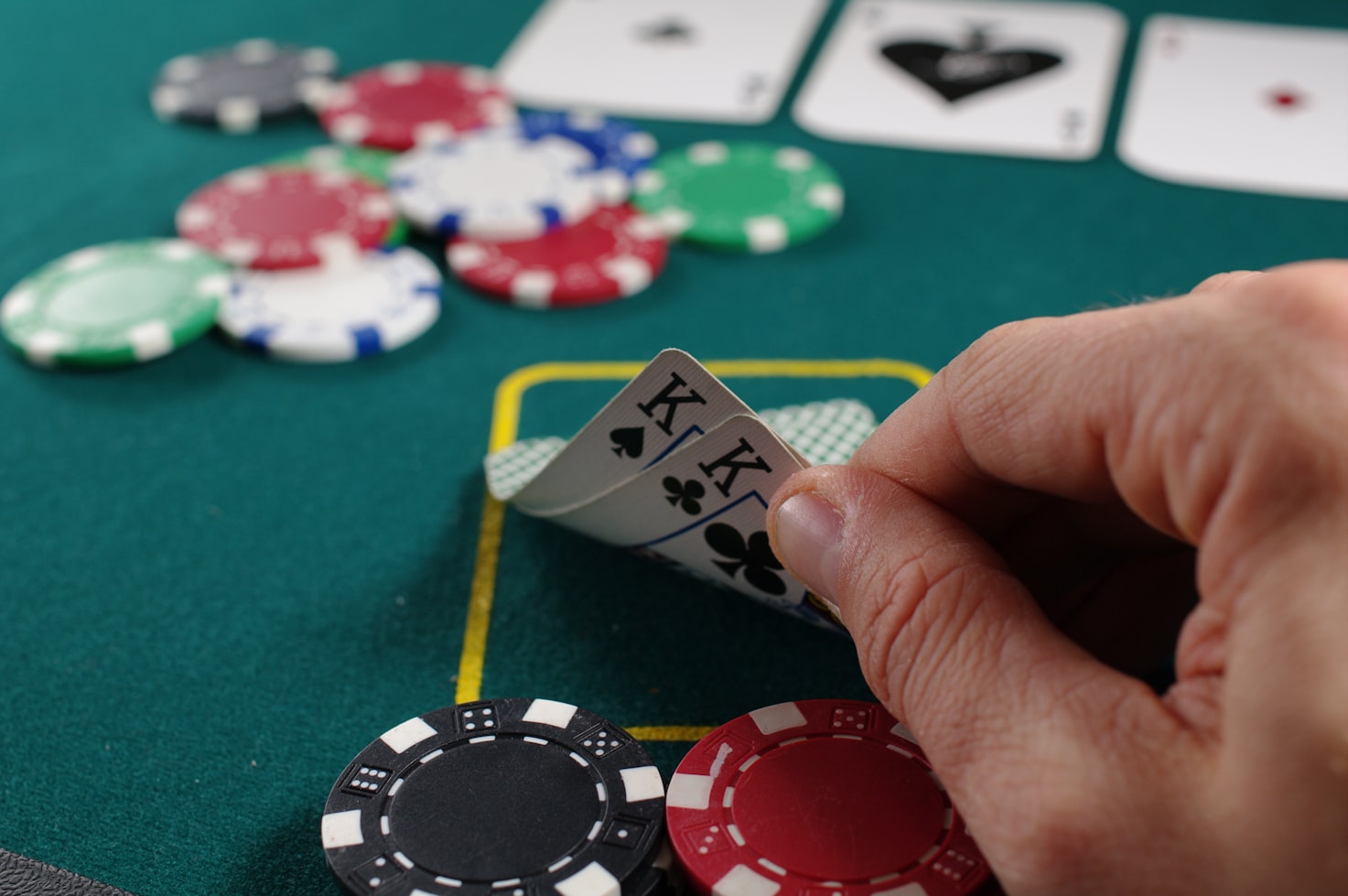
Responsible gambling practices are crucial in fostering a safe and enjoyable gaming environment across different cultures. Many countries have implemented measures to promote responsible gambling, providing resources and support for individuals who may be struggling with gambling-related issues. These practices aim to create an atmosphere where gambling is viewed as a form of entertainment rather than a source of distress.
As cultures evolve, the need for awareness and education regarding responsible gambling becomes increasingly important. Communities are beginning to recognize the value of integrating cultural values with gambling practices, paving the way for a healthier approach that respects both tradition and the well-being of individuals.